








Biofeedback explanation
Biofeedback is a scientifically grounded training method in which bodily processes such as skin conductance, heart rate, muscle tension or temperature are measured with sensors and fed back in real time. These otherwise barely noticeable signals become visible, so users can learn to influence them deliberately – for relaxation, for example.
What is biofeedback?
Biofeedback is a modern, scientifically founded process of training.
With the aid of a computer, physiological processes which are otherwise difficult or impossible to perceive, are registered and thus made manifest and visible. These processes include, for example, muscle tensing, pulse, respiration or temperature.
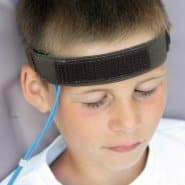
With neurofeedback, brain activity is measured and registered.
Within the biofeedback process, the trainer can provide the client with a detailed report based on these measurements. The client can use these clear data to learn to influence physiological processes.

When can Biofeedback be used?
Biofeedback is used as an accompanying method in a wide range of contexts, among them:
- Psychological conditions
- Clarification of the background factors related to psychological and physiological processes.
- Stress, stress related disorders, stress relief
- Unclear physical conditions
- Sleep disorders, sexual disorders
- Hyperactivity, attention disorders
- Muscular tension
- Tinnitus
- Anxiety disorders, depression
- Post traumatic stress disorder
- Prevention of chronic disorders
- Improvement of body perception
- Psychological disorders / psychological consequences of physical illnesses
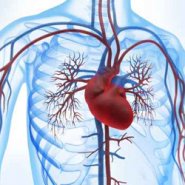




All images from top left to bottom right:
psdesign1 © www.fotolia.com; Kitty © www.fotolia.com; Jenny Sturm © www.fotolia.com;
Picture-Factory © www.fotolia.com; lichtmeister © www.fotolia.com; Jonas Glaubitz © www.fotolia.com
Which physical parameters are measured?
Among the most commonly used physical readings are:
- Muscle tension
- Skin conductivity (e.g. as a general measure of relaxation, stress, emotions)
- Skin temperature
- Diameter of the temporal artery
- Rate and depth of respiration
- Finger pulse (as a measure of peripheral circulation)
- EEG-readings (for promotion of central-nervous ordered relaxation, attention, concentration and much more.)
- Heart rate
With neurofeedback the electric brain activity is measured by EEG.
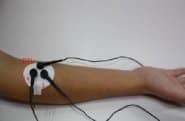
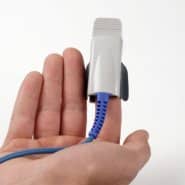
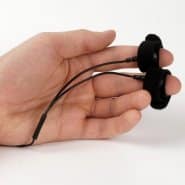
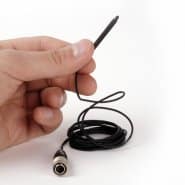
Frequently asked questions about biofeedback
What is biofeedback?
Biofeedback is a scientifically grounded training method in which bodily processes such as skin conductance, heart rate, muscle tension, temperature or breathing are measured with sensors and fed back in real time. Otherwise barely noticeable processes become visible and can be practised consciously.
How does biofeedback work?
Sensors measure a body signal, and a computer or smartphone displays it as a curve, sound or graphic. Through this immediate feedback, users gradually learn to change the signal in the desired direction – for example lowering muscle tension or breathing more calmly.
Which body signals are measured in biofeedback?
Commonly measured signals include skin conductance (EDA), skin temperature, heart rate and heart rate variability, muscle tension (EMG) and breathing. Which signal is used depends on the individual training goal.
What is biofeedback used for?
Biofeedback is used mainly for relaxation, stress management, self-regulation and performance optimisation. It is applied by therapists and trainers as well as in self-training.
What is the difference between biofeedback and neurofeedback?
Neurofeedback is a special form of biofeedback that specifically feeds back brain activity (EEG). Classic biofeedback instead works with peripheral body signals such as skin conductance, muscle tension, heart rate or breathing.
Scientific studies
Peer-reviewed research in which Mindfield products were used: